
How to choose the right fiber
Choosing the fiber depends on mechanical, thermal, environmental, cost and production process requirements. Evaluate:
If there are conflicting requirements, use fiber-to-fiber hybrids or multi-material layups. Our team supports the most efficient and sustainable choice.
- Required loads and modulus (tensile, impact, fatigue)
- Operating temperature and thermal peaks
- Environment: humidity, UV, chemicals, corrosion
- Specific density/stiffness vs. available thickness
- Resin compatibility (epoxy, vinylester, polyester, PA/PP/PEEK)
- Process (infusion, pre-preg, RTM, molding, pultrusion, stitching)
- Regulatory/qualification and sustainability
If there are conflicting requirements, use fiber-to-fiber hybrids or multi-material layups. Our team supports the most efficient and sustainable choice.
Quick selection criteria
For quick prototypes or limited budget: glass or basalt. For maximum specific stiffness: carbon. For cutting/abrasion and toughness: aramid. For high temperatures or hybrid structures: ar+ carbon or steels. For resistance to corrosion/friction in construction: AISIamide 316 stainless steel. For extreme performance peaks: Zylon PBO (with UV/humidity protection).
Synthetic fiber boards
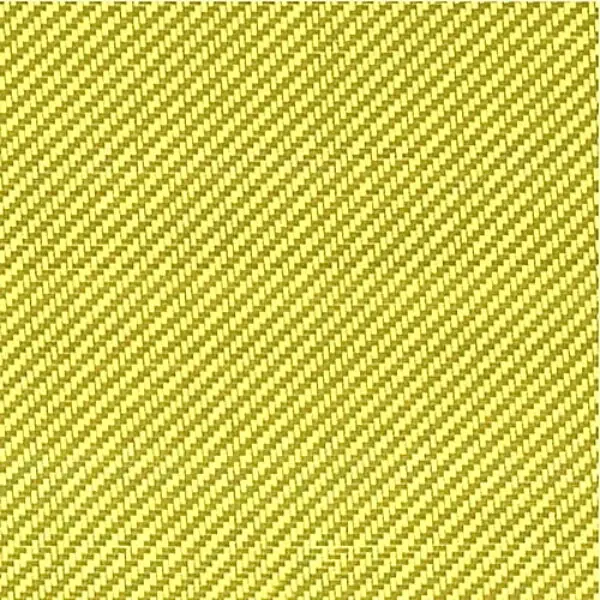
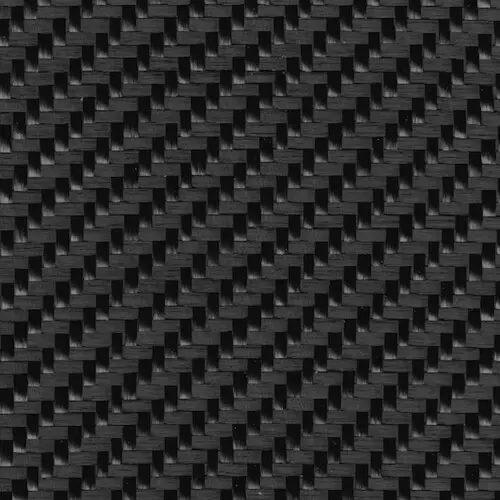
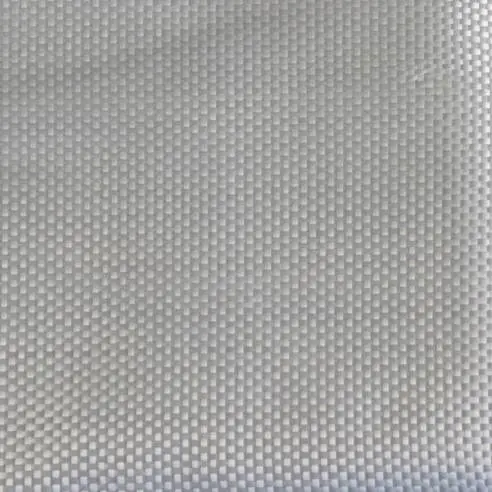
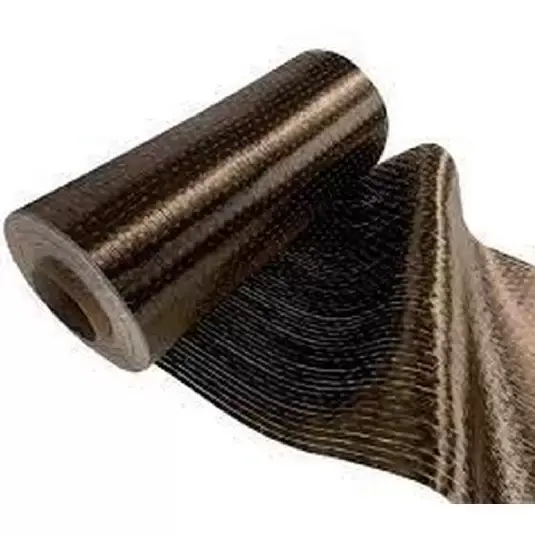
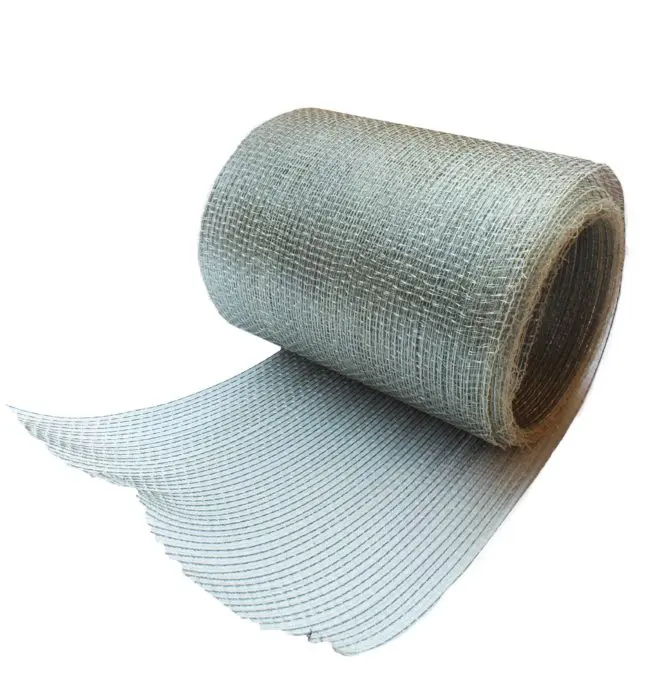
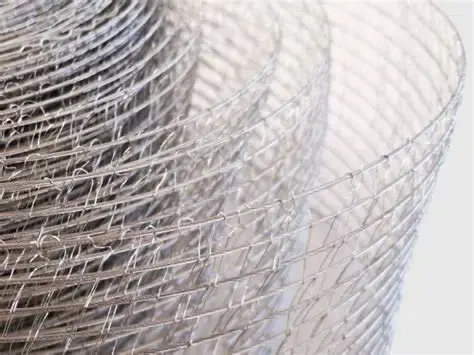
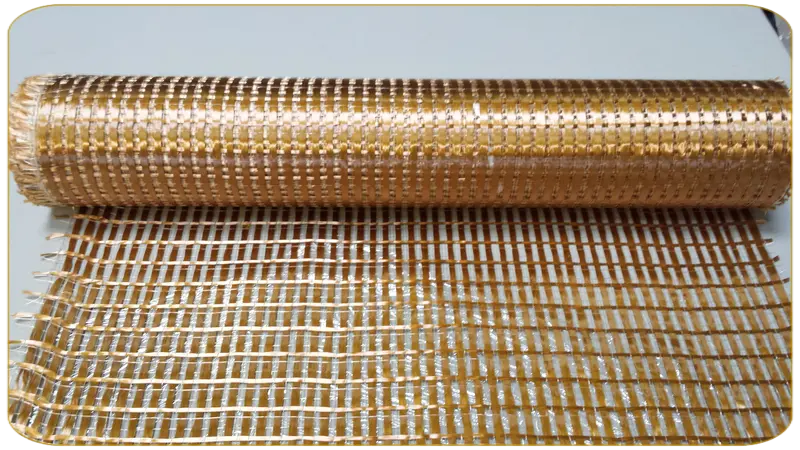
Performance–weight–cost comparison
Comparative synthesis (specific = per unit weight):
Note: the values are purely indicative and may vary from manufacturer to manufacturer. For numerical comparisons on the products we make, request our technical data sheets.
- Specific stiffness: Zylon PBO (high toughness, high modulus) ≫ Carbon > Aramid > Basalt ≈ Glass > Steels
- Toughness/Impact: Zylon PBO ≈ Carbon > Aramid > Basalt > Glass
- Density: Aramid≈1.44; Zylon≈1.56; Carbon≈1.75; Glass≈2.55; Basalt≈2.7; Steels≈7.9 g/cm³
- Environmental resistance: Stainless steel 316 ≫ Galvanized > Basalt ≈ Glass (AR) > Carbon (inert) > Aramid/PBO (sensitive to UV/humidity)
- Relative cost: Glass < Basalt < Aramid ≈ Galvanized < Carbon < Stainless steel 316 < Zylon PBO
Note: the values are purely indicative and may vary from manufacturer to manufacturer. For numerical comparisons on the products we make, request our technical data sheets.
Typical applications by sector
- Aeronautics/Space: carbon sandwich panels, anti-impact aramid reinforcements, Zylon for ropes and very high performance components.
- Industrial: UD in carbon for robotic arms, aramid for anti-cut/anti-splinter, steels for screens and anchors.
- Construction: carbon nets, basalt, AR glass, pbo for plaster reinforcement, connectors in 316 stainless steel, galvanized for protected economical solutions.
- Nautical: hybrid glass/carbon hulls, aramid for impacts, 316 stainless steel for chloride-resistant accessories and fixings.
- Sports: carbon frames and blades, aramid for protections, PBO for very high performance ropes/belts.
Design and safety guidelines
- Define loads and safety factors; check out-of-plane compression and interlaminar cracks.
- Choose reinforcement and weight based on curvature and drapeability; use UD for directional loads.
- Resin-process compatibility: controls viscosity/gel time for infusion; uses pre-preg for tight tolerances.
- Environmental protection: UV coatings/paints for aramid/PBO; passivation or sealing for galvanized.
- Interfaces and joints: design overlap/sequence and gradual stiffness transitions; avoids unreinforced holes.
- Quality: NDT checks where required; tracks materials according to ISO 9001.
Related products and support
Explore our technical fabrics and available configurations, or start a bespoke project with our materials engineers.